
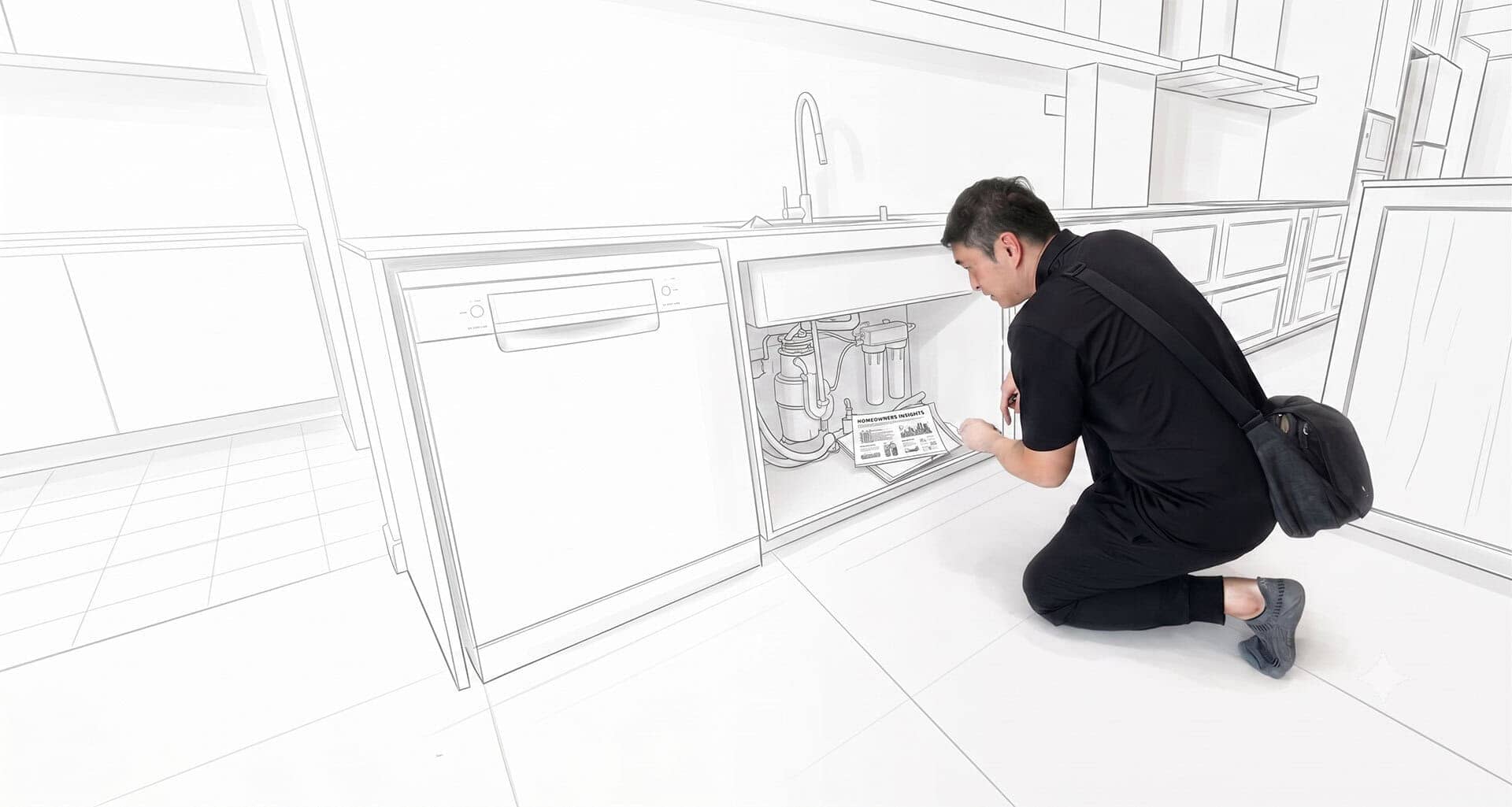
Buying a property is one of the biggest financial decisions most people will ever make. Whether you’re purchasing your first home, upgrading to a larger space, or investing in real estate, it’s easy to focus on the location, layout, and appearance of the property.
However, beneath freshly painted walls and polished floors, there may be hidden defects that are not immediately visible during a standard viewing. These issues can lead to costly repairs, inconvenience, and unexpected expenses after you move in.
Here are seven hidden property defects every buyer should be aware of before completing a purchase.
1. Water Leakage and Moisture Damage
Water damage is one of the most common hidden problems found in residential properties. Leaks may originate from bathrooms, kitchens, ceilings, windows, or concealed plumbing systems.
While cosmetic repairs may temporarily hide stains or cracks, ongoing moisture can eventually lead to mould growth, damaged finishes, and structural deterioration if left unresolved.
Signs to look out for include:
- Musty odours
- Bubbling paint
- Discoloured walls or ceilings
- Damp patches around windows or bathrooms
2. Structural Cracks
Not every crack is a cause for concern, but some may indicate underlying structural movement or foundation issues.
Hairline cracks caused by normal settling are generally less serious than wide, diagonal, or expanding cracks that could suggest movement within the building.
A professional assessment can help determine whether a crack is merely cosmetic or requires further investigation.
3. Electrical System Problems
Electrical defects are often hidden behind walls and ceilings, making them difficult to identify during a casual inspection.
Common issues may include:
- Faulty wiring
- Overloaded electrical circuits
- Damaged sockets
- Improper previous renovations
Besides being expensive to repair, electrical faults can also present potential safety risks if not addressed promptly.
4. Plumbing Defects
Plumbing issues can remain unnoticed until the property is occupied.
Common examples include:
- Slow drainage
- Hidden pipe leaks
- Low water pressure
- Corroded plumbing components
Even a small leak behind a wall can result in significant repair costs over time if moisture spreads unnoticed.
5. Poor Waterproofing
Bathrooms, balconies, kitchens, and roofs rely on effective waterproofing systems to prevent water intrusion.
When waterproofing membranes fail, water can seep into surrounding walls, ceilings, or neighbouring units, resulting in expensive repairs and possible disputes.
Waterproofing failures are often difficult to detect without a careful inspection.
6. Pest Infestation
Termites, ants, rodents, and other pests may already be present long before new owners move in.
Unfortunately, many infestations remain hidden inside walls, ceilings, roof spaces, or timber structures.
By the time visible signs appear, considerable damage may already have occurred, particularly in properties containing timber fixtures or concealed wooden structures.
7. Poor Renovation Work
Many properties undergo renovations before being placed on the market. While updated interiors can improve visual appeal, not all renovation work meets professional standards.
Examples of poor workmanship may include:
- Uneven flooring
- Hollow tiles
- Improper waterproofing
- Poor carpentry installation
- Concealed defects covered by cosmetic finishes
Without a thorough inspection, buyers may unknowingly inherit problems that require extensive rectification.
Why a Professional Property Inspection Matters
While no property is completely free from wear and tear, identifying major defects before completing a purchase allows buyers to make more informed decisions.
A professional property inspection helps uncover issues that may not be obvious during a viewing and provides a clearer understanding of the property’s overall condition. In some cases, the findings may also assist buyers during negotiations or help them plan for future maintenance and repair costs.
Ultimately, investing in a professional inspection can provide greater confidence and reduce the likelihood of unexpected expenses after taking ownership.
Final Thoughts
A property may look perfect on the surface, but hidden defects can quickly turn an exciting purchase into a costly experience. Taking the time to understand the property’s true condition is a practical step that can help protect your investment and give you greater peace of mind.
If you’re planning to purchase a property and would like a professional assessment before making your decision, feel free to get in touch through our contact form. We’ll be happy to discuss your requirements and help you better understand the condition of the property before you commit to one of life’s biggest investments.

0 comments